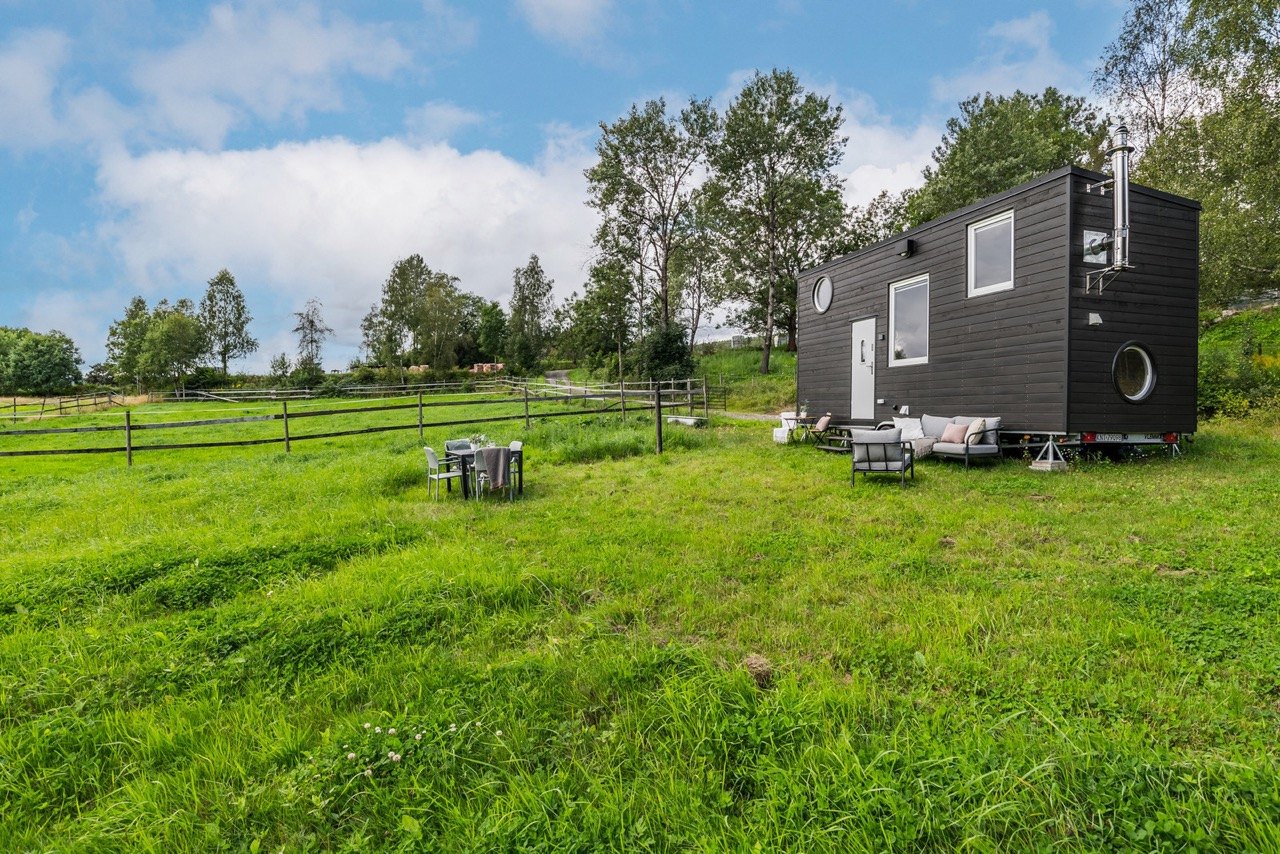
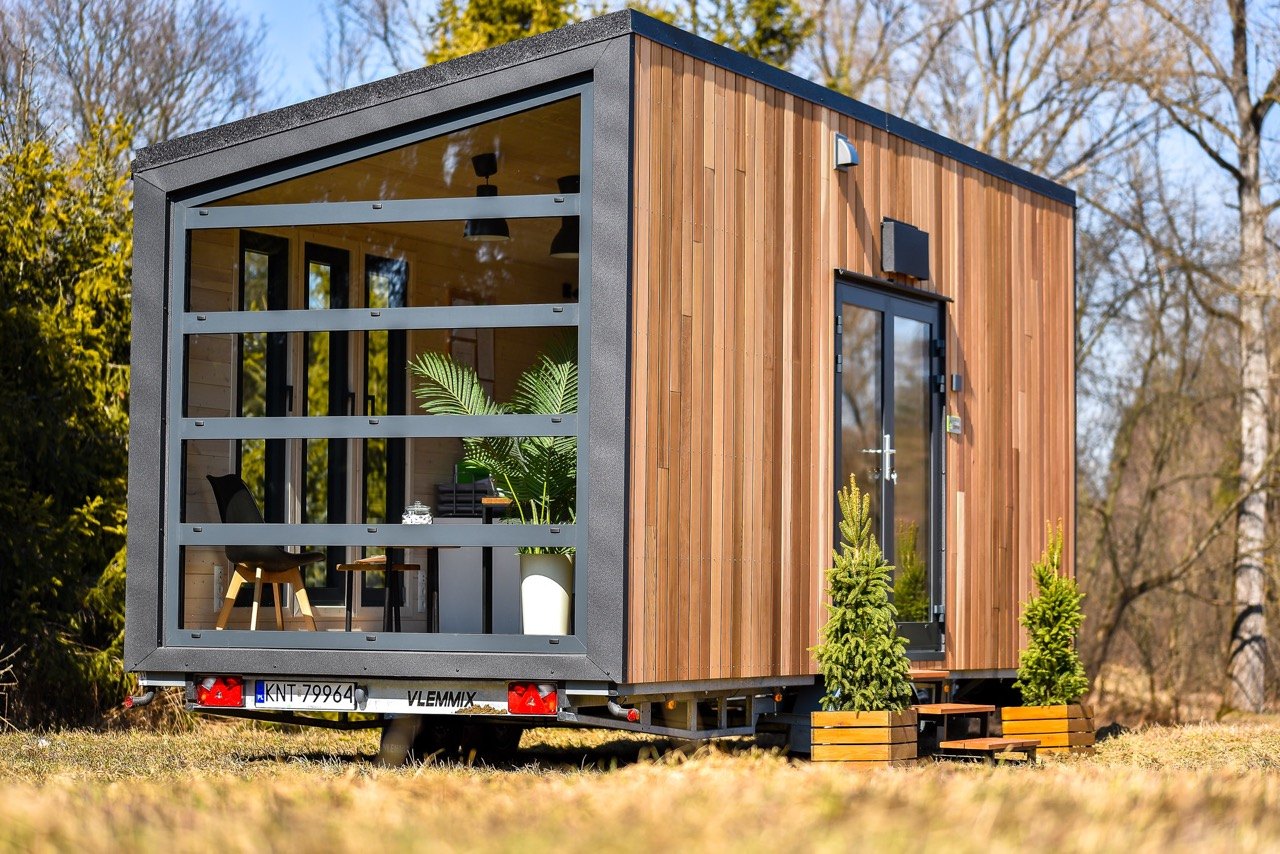
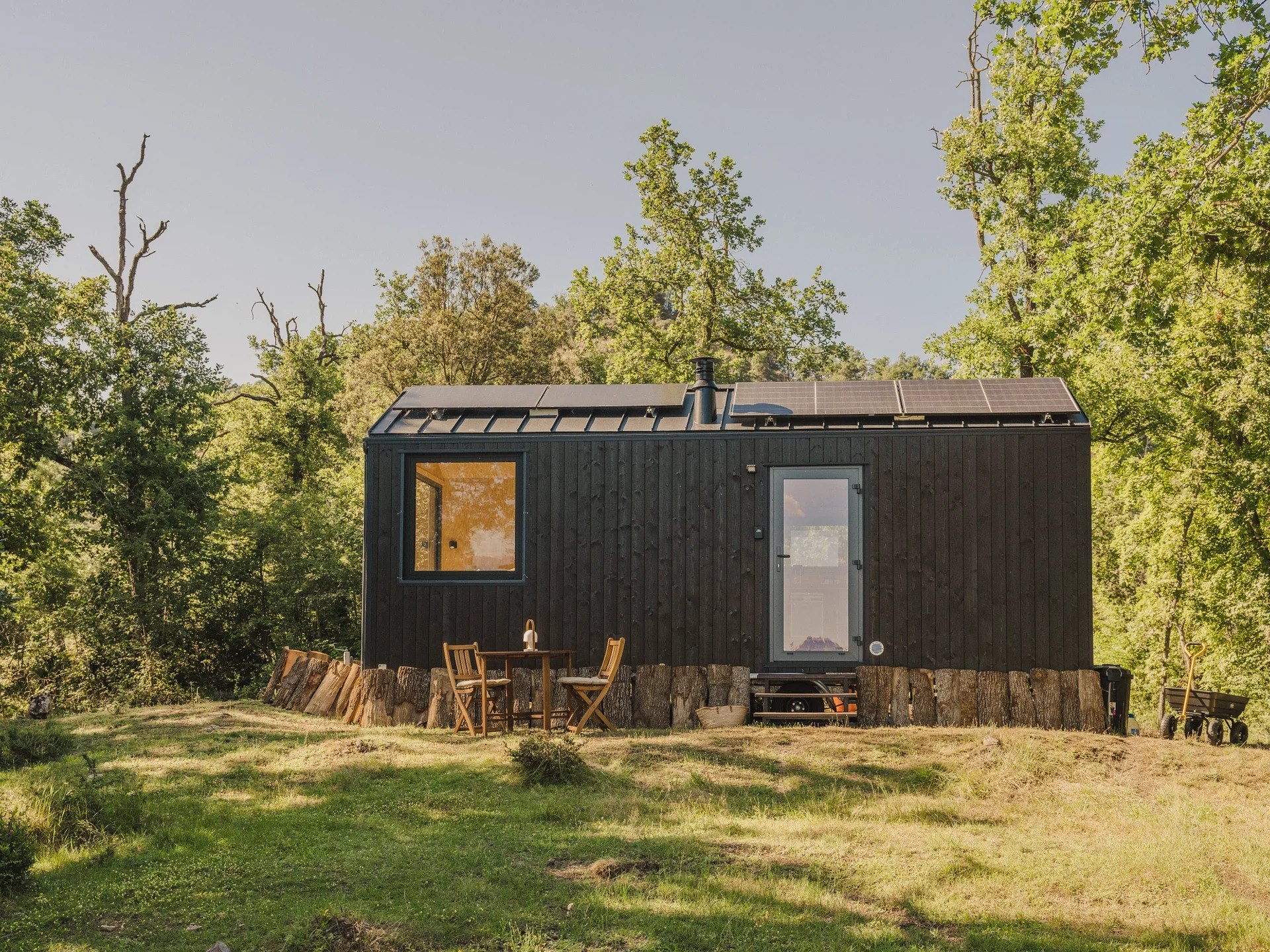
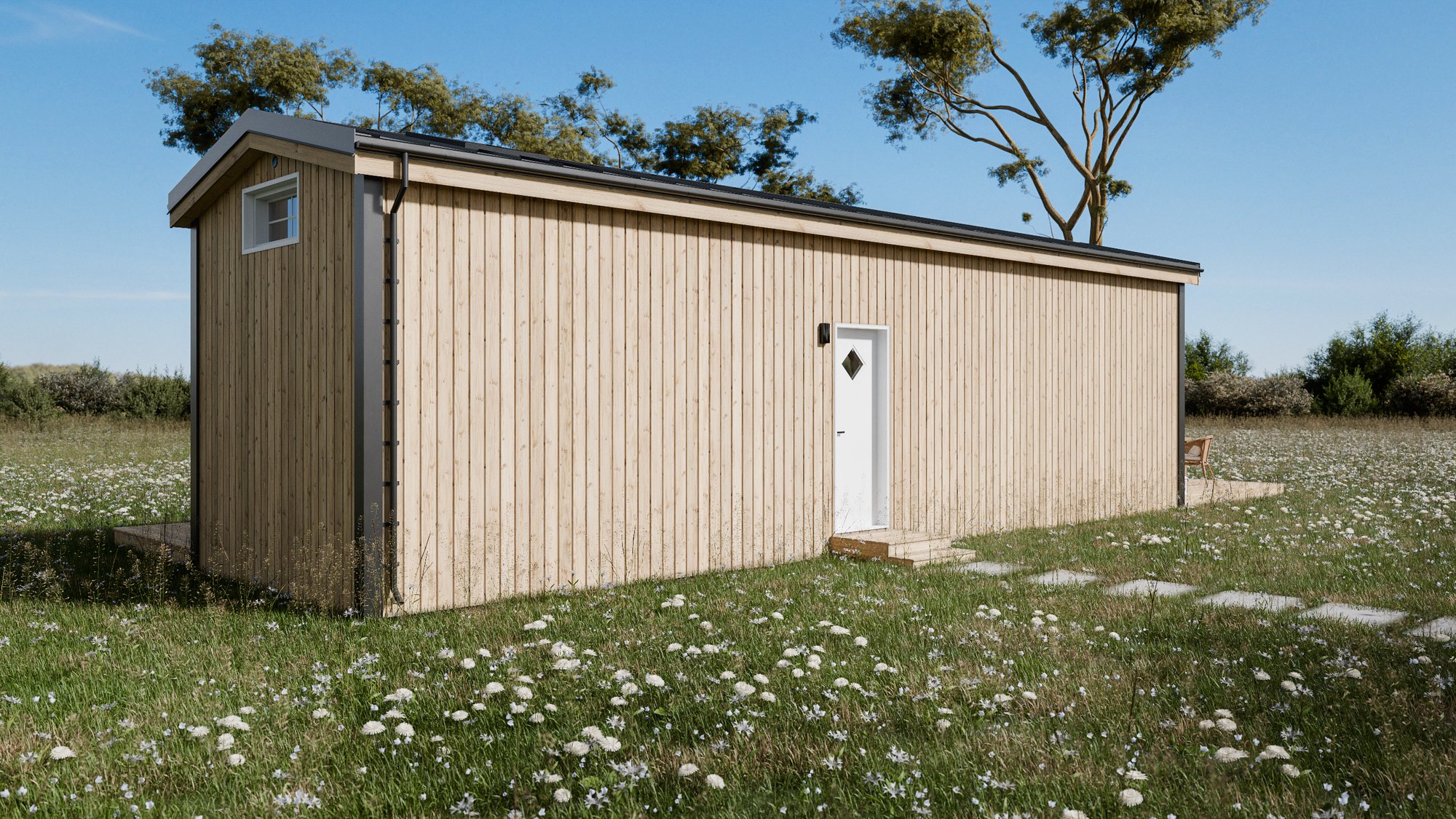
Germany is the country we are asked about most, which means it is also the one we know best. Building law is state law, so the answer comes from your Bauamt, and there is an architecture practice that will do the entire application for you if you would rather not.
Do you need a permit? Building law is state law: all sixteen Bundesländer have their own Landesbauordnung, so there is no single German answer. In most states a habitable building needs a Baugenehmigung regardless of size, because the exemptions for small buildings (verfahrensfreie Vorhaben) are written for sheds and garden houses and exclude Aufenthaltsräume - rooms people stay in. A house on a road-legal trailer parked temporarily is a vehicle; the moment it is used as a dwelling on a plot, most Bauaufsichtämter treat it as a building. Since 30 October 2025 §246e BauGB (the "Bau-Turbo") lets municipalities approve housing projects that deviate from the Bebauungsplan, which has made some tiny-house projects easier.
Which energy standard applies. The GEG no longer exists. It was replaced by the Gebäudemodernisierungsgesetz (GModG), published 28 July 2026 and in force from 29 July 2026. New buildings must not exceed 55% of the primary energy demand of the Referenzgebäude. Our River model was calculated under the previous GEG 2024 rules in November 2024 with wall U 0.150, roof U 0.150, floor U 0.170 and windows Uw 0.870 W/(m²K), giving H'T 0.281 against a limit of 0.4222 - comfortably inside. That calculation predates GModG and would need redoing for a current application.
Getting the house to you. Standard towing limit 2.55 m wide, 4.0 m high. Above that you need a Großraum- und Schwertransportgenehmigung under §29 / §46 StVO, applied for per federal state via the VEMAGS system. Above 3.0 m wide an escort vehicle is normally required.
What you pay in VAT. 19%, the German rate rather than the Swedish one, and the same whether we only deliver the house or install it as well.
Can you register it as your address? A house with a Baugenehmigung and a completed Bauabnahme can be a registered main residence (Hauptwohnsitz). Without one it cannot.
The catch. Sixteen state building codes plus the local Bebauungsplan decide the outcome. Always ask your Bauamt before you buy.
Somebody can do the application for you. We work with Archiformus, an architecture practice that files tiny house applications anywhere in Germany. They do a feasibility check first, 480 € including VAT: they read your Bebauungsplan and the cadastral map, ring your Bauamt, and tell you whether a permit is realistic at all and what kind of building law applies. If that comes back positive, the full Bauantrag is 2,800 € including VAT. Site visits aren't in that price, and some Bundesländer also want an official site plan from a registered surveyor, which is a separate cost. We supply the drawings. Ask us for an introduction.
How long it takes. From the first conversation at the Bauamt, reckon on three to six months, and it varies with the Bundesland, the municipality and how busy the office is. Roughly: one to four weeks to get the first appointment, four to eight weeks for the architect to prepare the drawings, the structural calculation and the energy certificate, two to four weeks for the office to check the file is complete, then one to three months while the municipality, the technical authorities and sometimes the neighbours are consulted. Those are figures from our customers' own projects rather than statutory deadlines. We build the house in about three months, so the two can run alongside each other.
One thing we can't do for you, and nor can any manufacturer: the formal proofs. A GEG energy certificate or a structural calculation has to be produced and signed by a qualified planner, an architect or an energy consultant. We give them everything they need.
If you're at the point of talking to your building office, tell us and we'll put together the drawings, weights, U-values and technical file you'll need to take with you. It's free, and it's the part we're best at.
Where this comes from
Gebäudemodernisierungsgesetz (GModG), BGBl. 28 July 2026 open§246e BauGB – Bau-Turbo, in force 30 October 2025 openVEMAGS – Verfahrensmanagement für Großraum- und Schwertransporte open